Cardboard boxes are a ubiquitous part of our daily lives, used for packaging and transporting goods of all kinds. From shipping items across the country to storing personal belongings in a move, these versatile containers play a crucial role in the modern world. Despite their humble appearance, cardboard boxes are essential in protecting products during transit and can be customized to fit various shapes and sizes.
Whether you’re a business owner looking for cost-effective packaging solutions or a homeowner in need of storage options, cardboard boxes offer a convenient and eco-friendly choice. In this article, we will explore the history of cardboard boxes, how they are made, and the different types available on the market. We will also discuss the benefits of using cardboard boxes and offer tips on how to choose the right box for your needs. So, let’s dive into the world of cardboard boxes and discover why they continue to be an indispensable part of our daily lives.
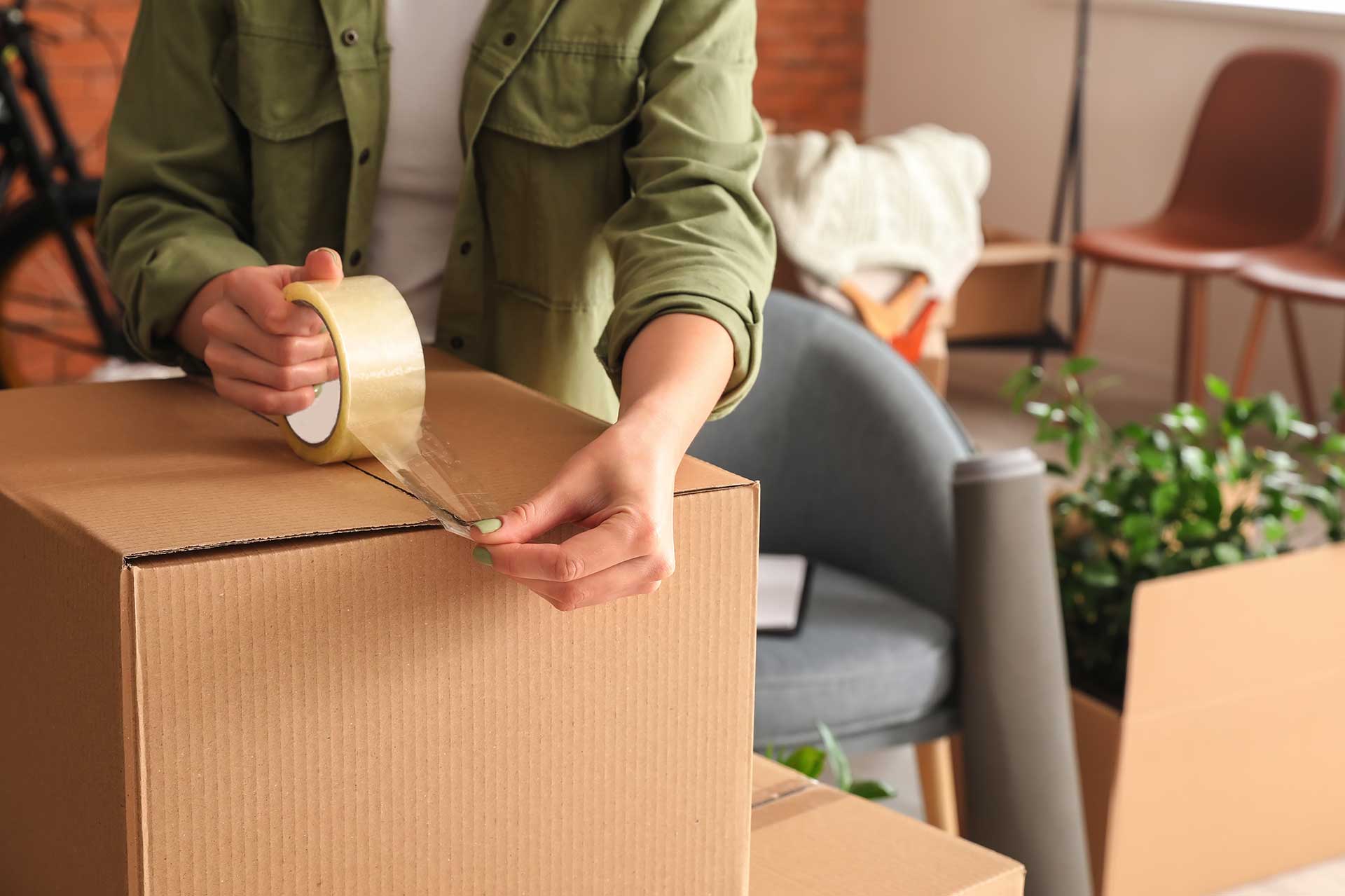
The History and Making of Cardboard Boxes
Cardboard boxes have a long history, dating back to the 19th century when they were first invented as a lightweight and durable packaging solution. Originally made by hand, these boxes evolved over time with the introduction of machinery for mass production. Today, cardboard boxes are manufactured using a process that involves corrugating paper layers to create a sturdy and resilient container. The versatility of cardboard allows for easy customization, making it suitable for various applications from shipping delicate electronics to moving household items. If you are in need of reliable packaging, consider investing in Bulk Cardboard Boxes that offer both strength and affordability.
The Benefits and Types of Cardboard Boxes
Cardboard boxes come in a wide range of sizes, shapes, and styles to suit different needs. Whether you require small boxes for jewelry or large boxes for furniture, there is a cardboard solution for every situation. One of the key advantages of cardboard boxes is their eco-friendly nature, as they are biodegradable and recyclable. Additionally, these boxes provide excellent protection during transit, preventing damage to fragile items. When choosing cardboard boxes, consider factors such as the weight of your items, the level of cushioning needed, and the dimensions required. With the right selection, you can ensure safe and secure packaging for your belongings while minimizing your environmental impact.
In conclusion, cardboard boxes continue to be an essential component of our daily lives, offering a convenient and environmentally friendly packaging solution. With a rich history dating back to the 19th century, these versatile containers have evolved to meet the diverse needs of modern society. From protecting delicate items during shipping to providing storage options for homeowners, cardboard boxes play a crucial role in ensuring the safe transportation and organization of goods. By selecting the appropriate type and size of cardboard box for your specific needs, you can benefit from their durability, affordability, and eco-friendly properties. So next time you are in need of packaging or storage solutions, consider the practicality and sustainability of cardboard boxes as an indispensable choice.