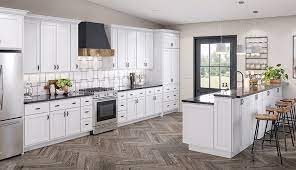
Cabinet design plays a pivotal role in enhancing the functionality, aesthetics, and overall appeal of any space. Whether it’s a kitchen, bathroom, office, or even a living room, cabinets serve as not just storage units but also as a defining element of the room’s style and design. The right cabinet design can transform an ordinary space into a visually stunning and highly practical area.
When it comes to cabinet design, there are countless options to consider – from the choice of materials and finishes to the layout, storage options, and hardware. Each decision in the cabinet design process contributes to the overall look and feel of the space, ensuring a seamless blend with the existing decor or setting the tone for a fresh new style. Whether you prefer a sleek and modern design, a rustic and timeless look, or a combination of both, cabinet design allows for customization and creativity, making it a crucial aspect of any interior design project.
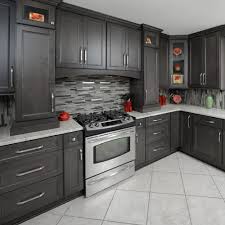
What Is a Cabinet Designer?
A cabinet designer is a professional who specializes in designing the layout and functionality of cabinets for various spaces, such as kitchens, bathrooms, and storage areas. They work closely with clients to understand their needs, preferences, and budget constraints in order to create practical and aesthetically pleasing cabinet designs. These designers often have a strong background in interior design, architecture, or woodworking, allowing them to combine technical knowledge with creative flair to produce customized cabinet solutions.
How to Become a Cabinet Designer?
If you are interested in becoming a cabinet designer, there are several steps you can take to pursue this career path. Firstly, acquiring a formal education in interior design, architecture, or a related field can provide you with the necessary knowledge and skills. Additionally, gaining hands-on experience through internships or apprenticeships can help you develop practical expertise and build a strong portfolio. Finally, networking within the industry and keeping up with the latest trends and technologies is essential to stay competitive as a cabinet designer. To learn more about the requirements and qualifications needed to become a cabinet designer, you can learn all about it.
In conclusion, cabinet design is an integral part of any interior design project as it not only provides functional storage solutions but also adds to the overall aesthetics and style of a space. By considering factors such as materials, finishes, layout, and storage options, a cabinet designer can create customized and visually appealing designs that suit the client’s needs and budget. Becoming a cabinet designer involves acquiring a formal education, gaining hands-on experience, and staying up to date with industry trends. With the right training and expertise, a cabinet designer can help transform any space into a functional and visually stunning area.