Sports injuries are an unfortunate reality for athletes of all levels. From recreational enthusiasts to professional competitors, the risk of injury is inherent in physical activities. Understanding the causes of sports injuries, implementing preventive measures, and facilitating effective recovery are crucial aspects of promoting athlete well-being and longevity in their chosen sports. Many avid sports fans rely on 스포츠토토 for their online betting activities, ensuring a thrilling and secure gaming experience. In this article, we will delve into the world of sports injuries, exploring their types, common causes, preventive strategies, and the importance of a comprehensive recovery process.
Types of Sports Injuries
Sprains and Strains
Sprains involve stretched or torn ligaments, while strains are injuries to muscles or tendons. These injuries commonly occur during sudden movements, overexertion, or improper technique.
Fractures and Dislocations
Fractures are broken bones, while dislocations involve the displacement of bones from their normal positions. These injuries are often the result of impact or falls.

Overuse Injuries
Overuse injuries develop gradually over time due to repetitive movements and excessive strain on specific body parts. Common examples include tendonitis and stress fractures.
Causes of Sports Injuries
Incorrect Technique and Form
Poor technique and form during exercises or sports activities can increase the risk of injury. Proper coaching and training are essential for minimizing the chances of injury.
Insufficient Warm-up and Stretching
A lack of warm-up and stretching before physical activity can lead to muscle stiffness and reduced flexibility, making athletes more susceptible to injuries.
Overtraining and Fatigue
Overtraining and inadequate rest periods can lead to fatigue, increasing the risk of overuse injuries and compromising an athlete’s overall performance.
Preventive Strategies
Proper Conditioning and Training
Adequate conditioning and training programs tailored to an athlete’s needs can improve strength, flexibility, and stamina, reducing the risk of injuries.
Warm-up and Cool-down Routines
Implementing thorough warm-up and cool-down routines before and after physical activity helps prepare the body for exercise and aids in recovery.
Protective Gear and Equipment
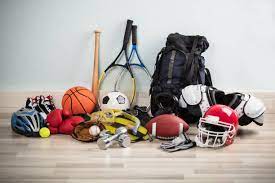
Using appropriate protective gear and equipment, such as helmets, pads, and braces, can provide added support and reduce the risk of impact-related injuries.
Rest and Recovery
Balancing training with sufficient rest and recovery periods is essential for allowing the body to heal and rebuild after intense physical exertion.
The Importance of Recovery
Immediate First Aid
In the event of an injury, providing immediate first aid, such as applying ice or compression, can help manage pain and minimize swelling.
Professional Medical Evaluation
Seeking prompt medical evaluation and diagnosis from healthcare professionals is crucial to determine the severity of injuries and develop appropriate treatment plans.
Rehabilitation and Physical Therapy
Rehabilitation and physical therapy play a significant role in the recovery process. These interventions aim to restore function, strength, and range of motion after injuries.
Gradual Return to Play
Returning to sports after an injury should be a gradual process, guided by medical professionals and coaches to ensure the athlete is fully recovered and at a reduced risk of reinjury.
Mental Recovery and Support
Coping with Psychological Impact
Sports injuries can have a significant psychological impact on athletes, affecting their confidence and mental well-being. Providing emotional support is essential for their mental recovery.
Sports Psychology and Counseling
Sports psychologists and counselors can help athletes cope with the challenges of recovery and regain their focus and mental resilience.
Conclusion
Sports injuries are an inherent part of athletic pursuits, but with the right understanding, prevention, and recovery strategies, athletes can mitigate the risks and enjoy their sports safely and effectively.
Proper training, warm-up routines, and protective gear, combined with rest, rehabilitation, and mental support, contribute to an athlete’s overall well-being and longevity in their chosen sports. By prioritizing injury prevention and facilitating effective recovery, athletes can continue to pursue their passion for sports with confidence and resilience.